
2026 Capsules: Obsession, Pálmason's Joan of Arc, and more
The Wizard of the Kremlin, Backrooms, Joan of Arc, Silent Friend, Obsession

I desperately needed some time off after SIFF, but I’m getting back into writing again. Working on a couple pieces right now - a review of La Libertad, fest reviews of La Libertad Doble and Red Rocks, and a mid-year reflection/recommendation piece. For now, here are some stray thoughts on some new releases.
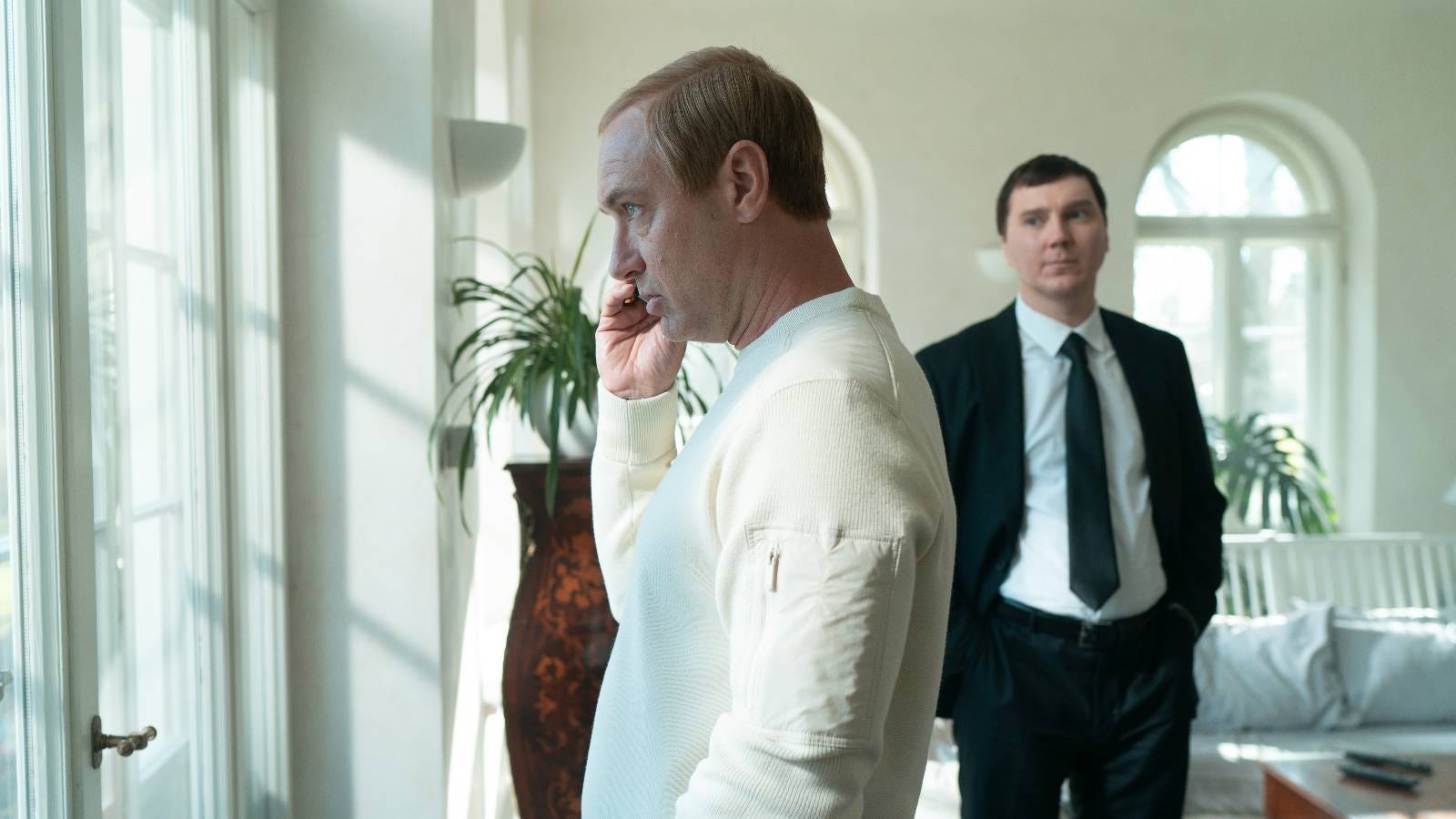
Now a “This Had Oscar Buzz” relic, Olivier Assayas’ The Wizard of the Kremlin, adapted from Giuliano da Empoli’s novel of the same name, really isn’t as bad as its rancid fall festival reception. A decades-spanning portrait of Vadim Baranov (Paul Dano), the mastermind behind Putin’s (Jude Law) rise who treated politics as showbiz and proceeded to package his own story into a middlebrow sensation, is exactly the kind of film Assayas has been making since demonlover. In some ways, the film is an auto-critique, a reflective exercise whose traversal through the past 50 years aligns Baranov’s puppeteering of history with his own filmography. Both this film and Suspended Time feel like a reaction to Assayas taking both Netflix and HBO money. If the film were better than watchable, we’d be calling it a career culmination.
The Wizard of the Kremlin is a parody of “important” Oscar-baity films about historical figures, toeing the line such that it could genuinely be mistaken for such. “Kitsch is the only language available to us if we are to communicate with the masses”, says Baranov, and certainly, this film with its parodic inter-titles and slapshot accents was intended to be Assayas’ trollish Awards Season break. It played at my local Regal, so even with its unceremonious release, it may still reach a wider audience than Assayas usually gets.
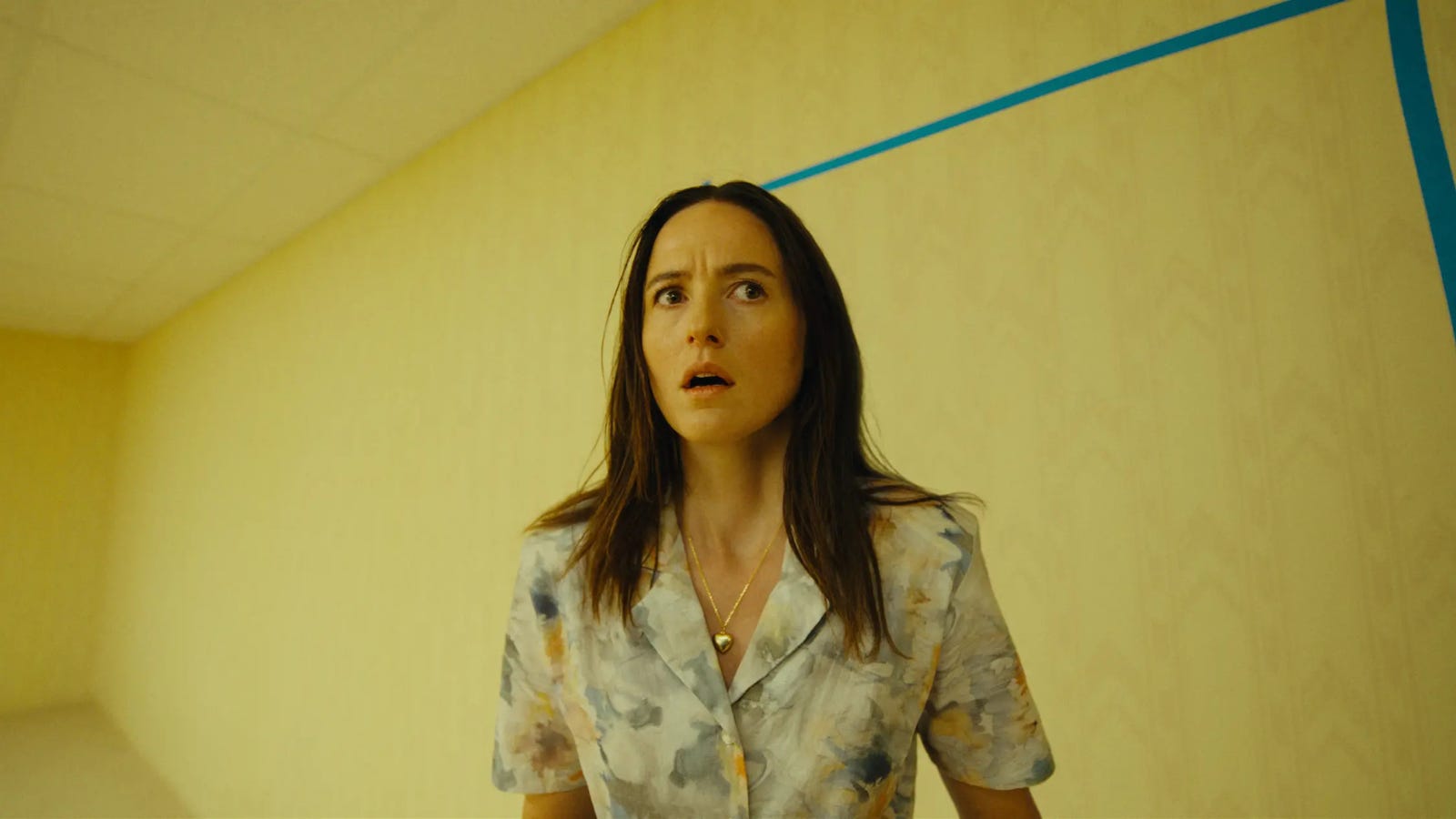
Hidden in the basement of a struggling furniture store, the backrooms are an organically generated universe of decrepit suburban spaces, rendered with a surrealist logic of chimeric furniture and contortionist Through the Looking Glass pathways. The “liminal space” film is primarily the domain of the avant-garde, but in practice, Kane Parsons’ Backrooms isn’t really feature-length Rehearsals for Retirement. It’s not even Skinamarink. The film is most compelling as a first-person video game of a 90s-fetishist hall of mirrors. The twisted logic that connects strip malls to underground swimming pools to empty bedrooms is a lot of fun, as are the murky horrors that drag unwitting characters to their demise. There’s about 30 minutes of a great film in here, undermined by truly asinine narrative scaffolding that tries to pin down the mystery of the rooms to neural pathways and yes, Trauma. Renate Reinsve has never been worse.

An mid-length companion piece to last year’s The Love that Remains, Hlynur Pálmason’s Joan of Arc is actually better than its feature-length counterpart, paring away The Love that Remains’ most frustrating narrative impulses to a typically beautiful, and ultimately heartbreaking structural conceit.
Over his past few films, the landscape time-lapse has become somewhat of a directorial trademark for Pálmason, and Joan of Arc might qualify as three time lapses at once. The entire film takes place in the family’s backyard, where Pálmason’s children build and destroy a makeshift statue of Joan of Arc against the imposing Icelandic coastline. Shot over an extended period, it’s a document of the changing seasons and of the real-life maturation of the Pálmason children. In the meantime, snippets of the feature’s divorce narrative slip into the children’s conversation, framing their movement with complex, inarticulable emotion. At its best, it’s like Sharon Lockhart home videos with a thin layer of narrative, and Palmason has both the formal chops (and the masterful colorist) to warrant the comparison.
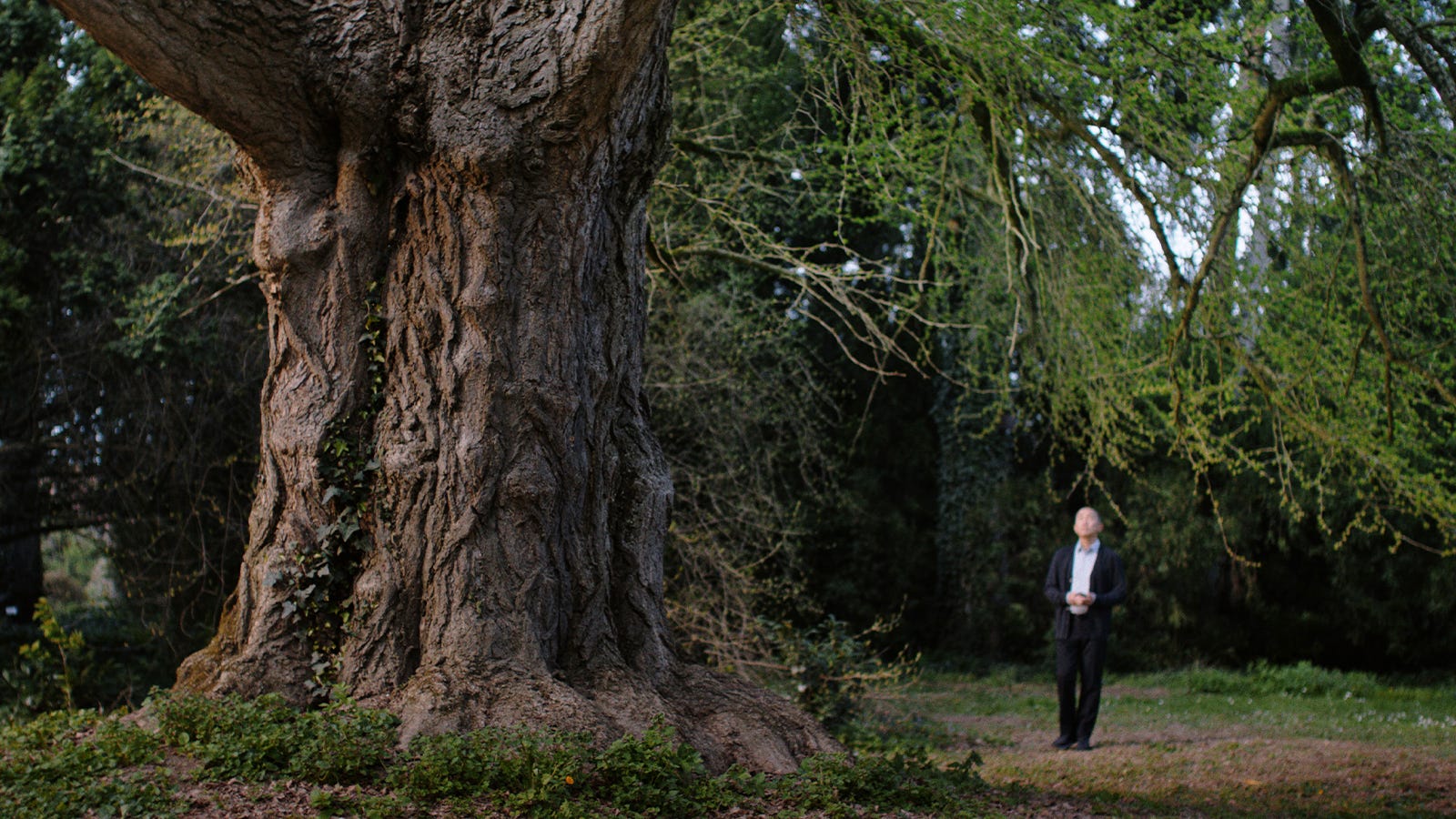
I was more skeptical of Ildikó Enyedi’s Silent Friend, which as a big fan of Lea Seydoux, Tony Leung, and trees, was a hotly anticipated title. As it turns out, Seydoux and Leung only feature in one of the film’s three narratives, all set within a historic German university that also houses the film’s true protagonist: a giant tree. Given that Enyedi is trying to access arboreal time, it’s arguably intentional that each of the three stories, feels serviceable but throwaway. It’s not just that all of them are burdened with hackneyed thematic content, and each ends unresolved, but Enyedi also cuts between the narratives such that each story never develops a distinct internal rhythm. The film features a few showstopper montages that attempt to convey the tree’s subjectivity, but the maximalist serenity feels forced - dissolves of plant cells and botanical fertilization often recalling the nuclear sequences in Oppenheimer more than anything else. It’s striking, but not convincing as a metaphor for plant life. Doubly unfortunate: hard not to think of all the other recent films that touch on natural timescales with far less lumbering pretension (7 Walks with Mark Brown, Here, Last Things).
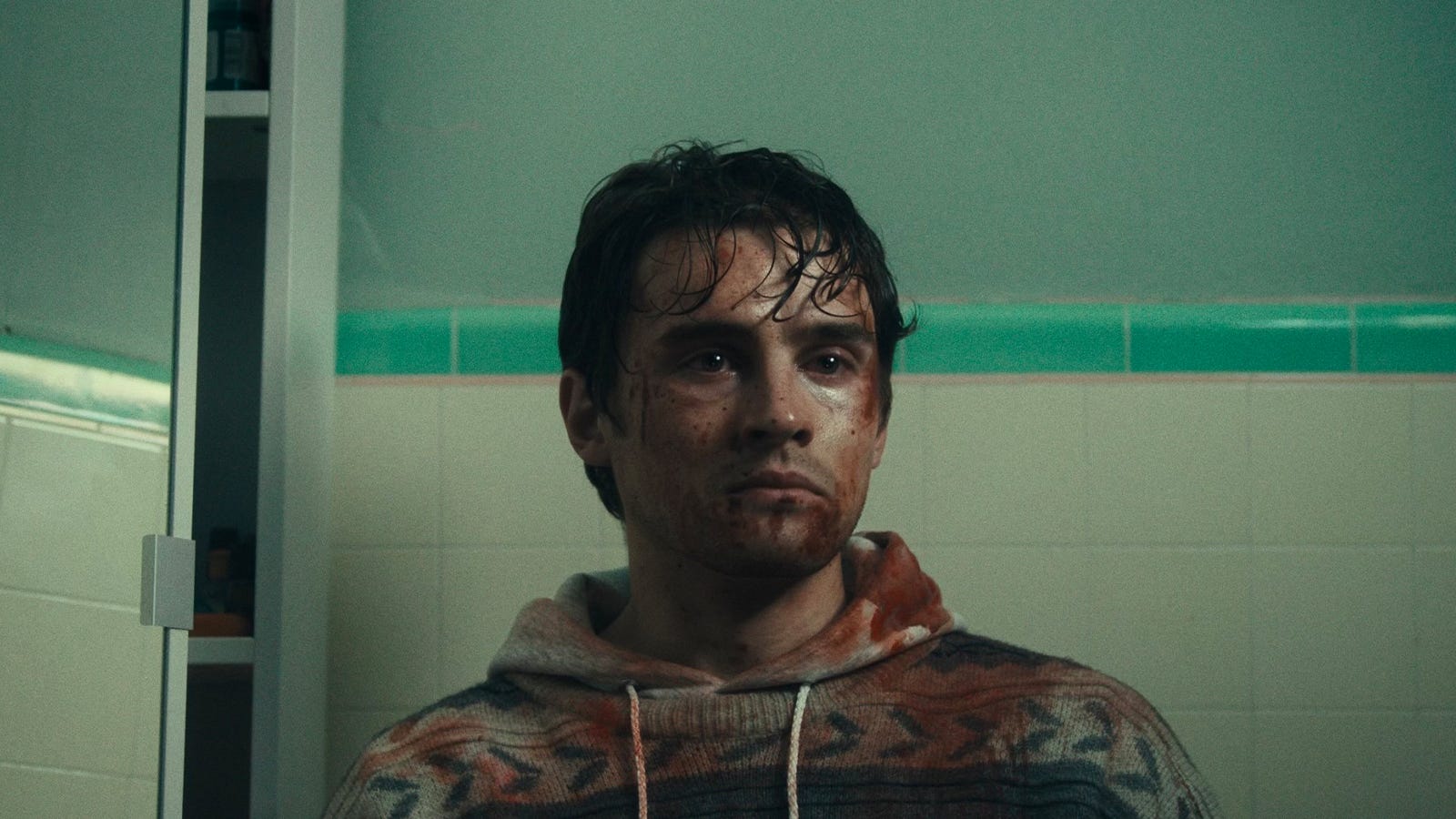
Curry Barker’s Obsession, features an impressively single-minded Monkey’s Paw scenario, where a lonely man makes a wish upon a willow branch for a childhood crush to love him back. She does, but not only is her body possessed by a supernatural entity, said entity is a mentally-ill anxiously-attached banshee. Though there are certainly pointed acknowledgments of the film’s rape-y implications, this is mostly a film about co-dependent relationships, mining the horror of living with someone whose craziness seemingly knows no bounds. The object of affection, Nikki, pees and poops on the floor, duct tapes the door shut, cooks the cat, and eventually goes on a murderous rampage.
When Obsession becomes full-on relationship horror, it’s brutally effective, but the way it gets there is problematic to say the least. By foregrounding Nikki’s spectacular abasement, Obsession effectively gives its nice-guy protagonist, a twink named “Bear”, an out. A more chilling version of this story might have invested more time into the the brief interlude of Bear indulging his romantic fantasy. As it is, it’s hackwork, but undeniably intense.
waitttt noooo I think obsession was the opposite of what u said. I didnt see it portraying a codependent relationship at all and the entire thing was about the selfishness of man. there is no out for the main character, he's a classic incest protagonist with nothing but flaws which not only leads to his demise but everybody else's too.